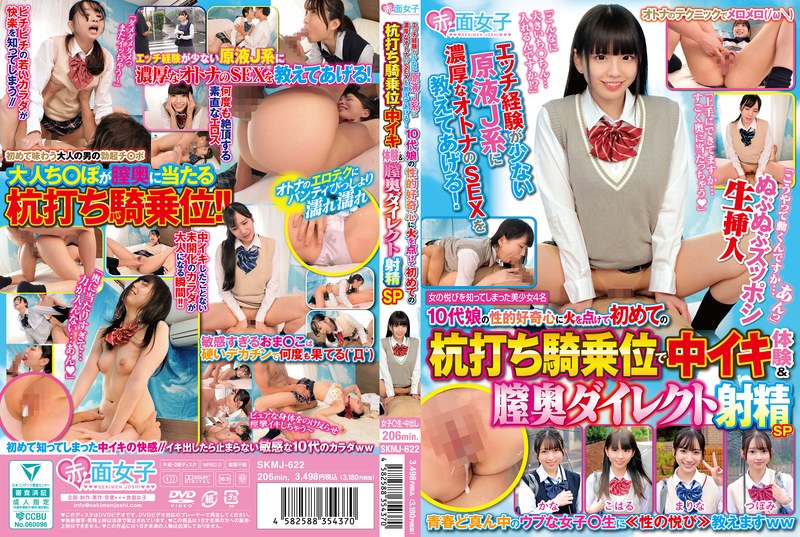
SKMJ622 清纯学生妹性经验匮乏!大叔亲身传授激情性爱技巧,彻底点燃少女体内欲火
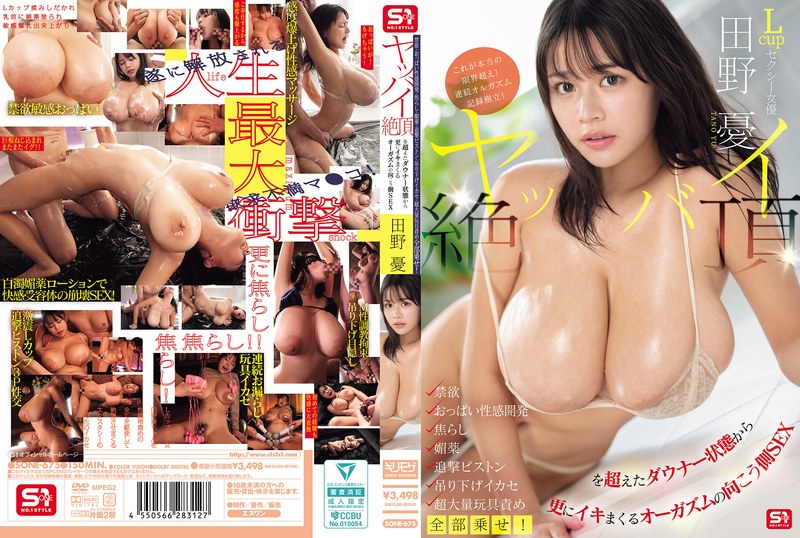
SONE675 禁欲开发计划:饥渴巨乳×催情药调教×悬挂高潮!狂暴活塞×极致玩具责罚全收录!
[三级]芭蕾舞女演员的绝妙诱惑:舞动高潮的激情缠绵
边境小旅馆偷拍实录!每嫖必录,刺激不断
[无码]制服诱惑:高田明子初次电动按摩棒体验,觉醒高潮开关全开!番号10musume-120622-01
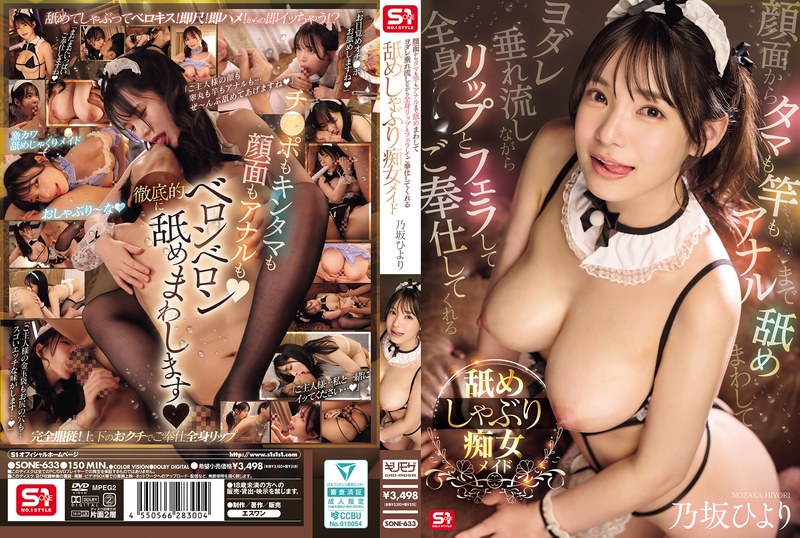
SONE633 痴女流涎侍奉!从脸蛋舔到蛋蛋肉棒肛门,全身亲吻口交深度奉献
编号001:兄弟帮我设局诱上他气质娇妻,躲在窗帘后偷看我狂操她,刺激到爆!
极品表弟调教女仆装嫂子◆偷拍流出女上骑乘啪啪~白丝美腿极品身材让人硬爆
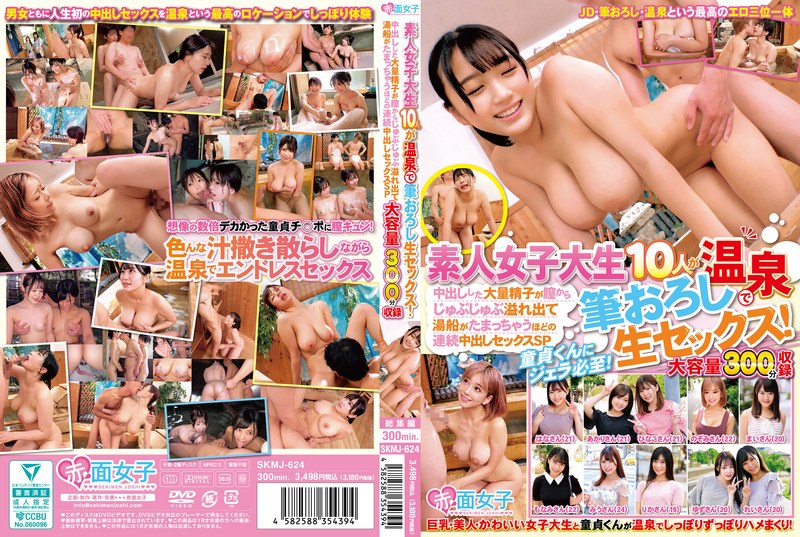
SKMJ624 温泉破处激情夜!10位素人女大生初体验中出高潮,精液喷涌阴道溢出热汤
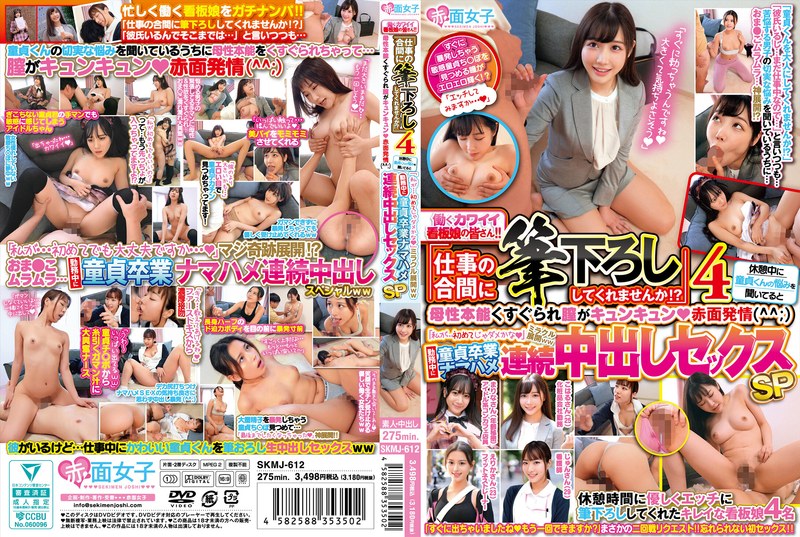
SKMJ612 看板娘工作间隙特别服务:处女开苞解童贞烦恼!可爱店员主动献身处男
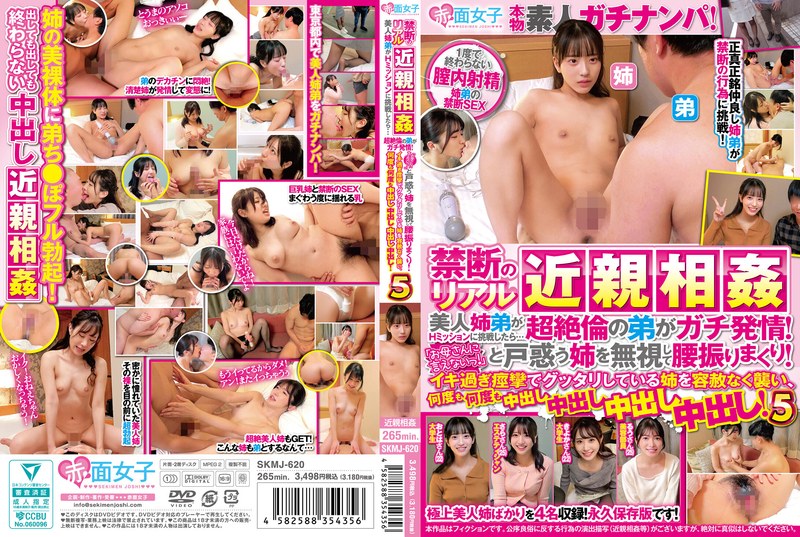
SKMJ620 禁忌真实近亲乱伦!美人姐弟挑战H任务,超强弟弟激情爆发,扬言'要告诉妈妈'!
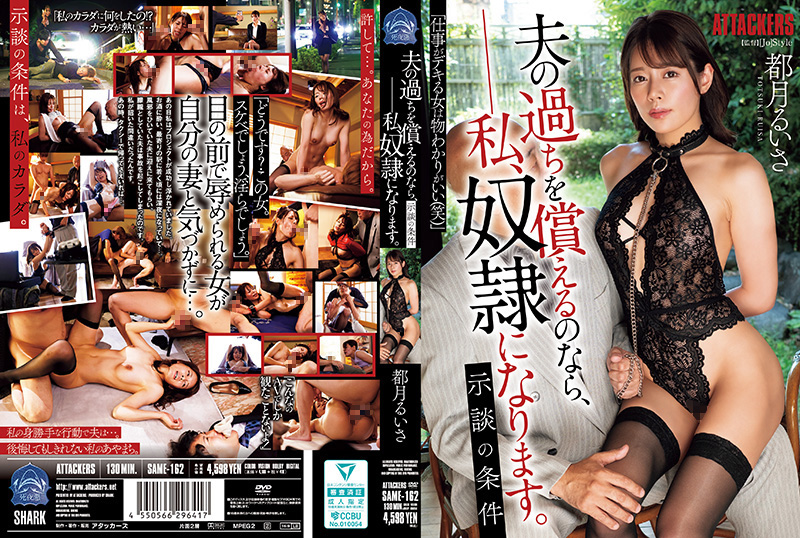
妻子为丈夫的过错赎罪,愿意沦为性奴隶
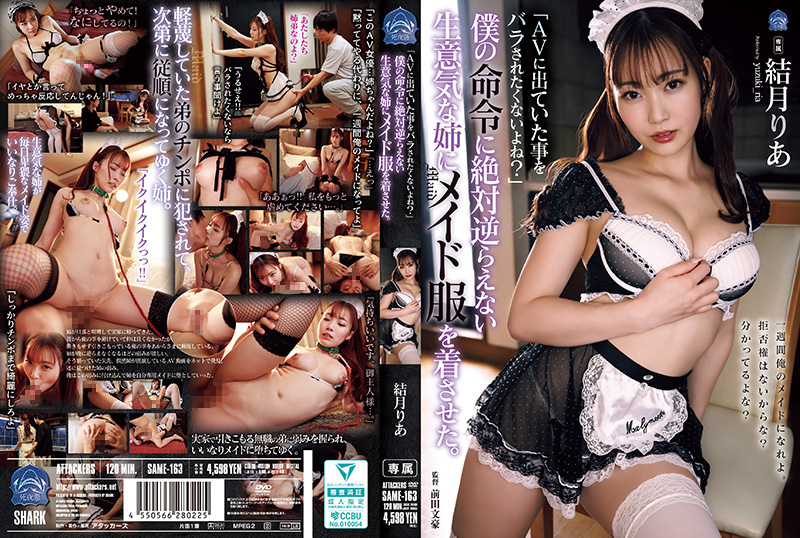
SAME163 不想AV经历曝光?傲慢姐姐绝对服从命令穿上女仆装任我调教!
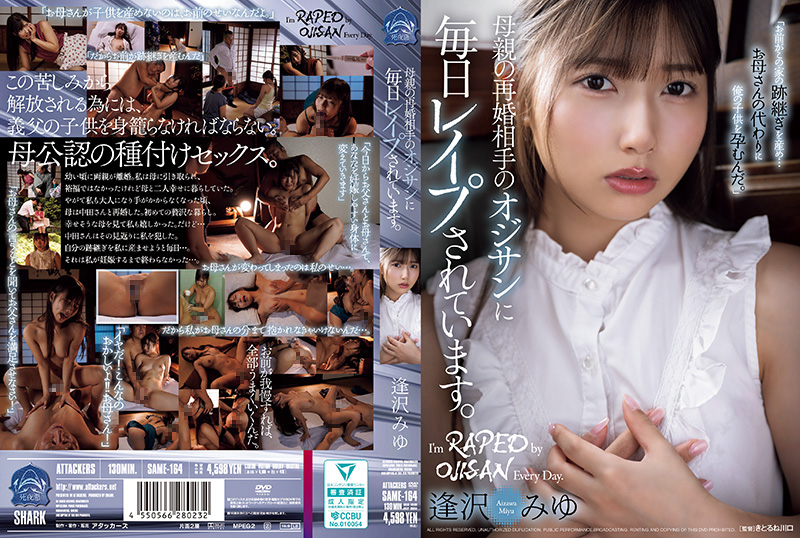
SAME164 人妻媽媽再婚對象的繼父大叔,天天強暴我!
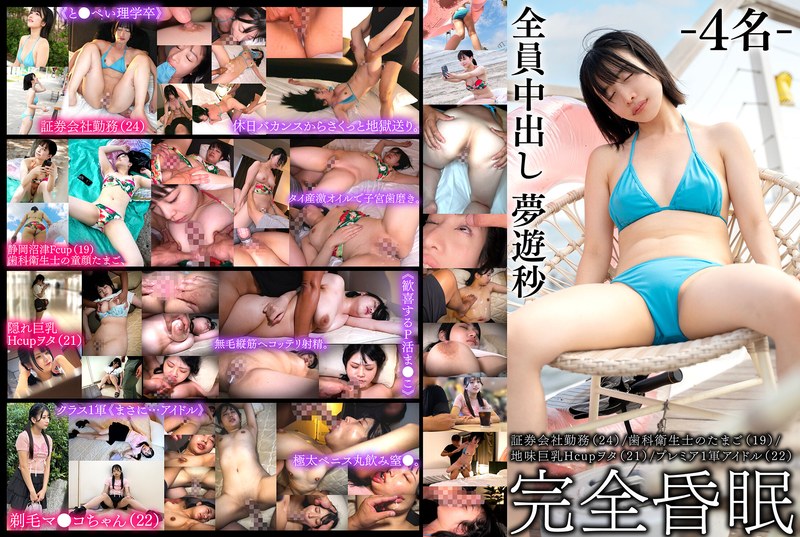
SMKCX016 完全昏迷:4名证券OL 24岁、牙科卫生士新人19岁、低调H杯巨乳宅女,沉沦多人盛宴
[水果派真人解说]巨汗前辈千斤重压,甜妹汁水四溢激烈承欢
水果派系列:巨乳闺蜜痴缠渣男,极致3P狂乱盛宴!
豪华别墅内假阳具疯狂抽插 蜜穴湿透汁液飞溅
[反差婊档案]超嫩女M小母狗调教泄密:被玩到潮喷高潮不断!
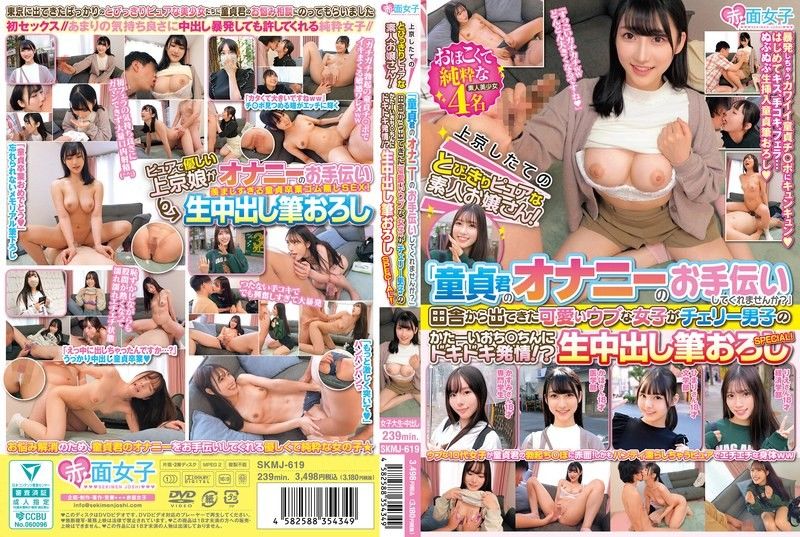
SKMJ619初到東京的極品純素人美少女!『處男弟弟要姐姐手把手教自慰嗎?』田〇醬超直球誘惑~大尺度童貞調教實錄
CM-148巨乳尤物卢珊珊真空上阵:放荡女王的极致诱惑
国产热辣直播20.08.23|酒店紧身黑裙妹|勾人黑丝高跟挑逗|全射进我的嫩穴里
水果派系列:巨汉上司狂野播种白皙人妻,绿帽丈夫全程偷窥高潮!
假期车震实录:与火辣金发尤物车内激情缠绵
水果派巨乳按摩女郎大保健揉捏乳浪激情服务番号BF-557
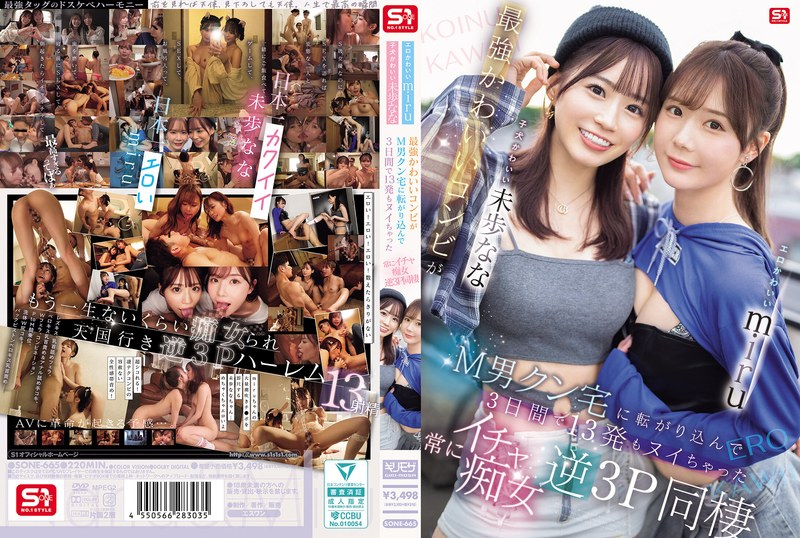
SONE665超萌miru与清纯未歩なな双倍暴击!史上最强萌妹组合硬闯M男家强制同居三天,每个角落都榨干你的欲望!
国产AV果冻91特派员街头搭讪双姝,酒酣饭饱意外引爆4P激情大战!
SPRO126 枕营业天才3:被事务所抛弃的才女偶像,肉体逆袭征服巅峰激情记录!
性感表演系校花私拍流出 清纯反差自慰高潮
[无码]名模樱木美央极致诱惑!1pondo-031823-001完整收录,极品美穴高清放送
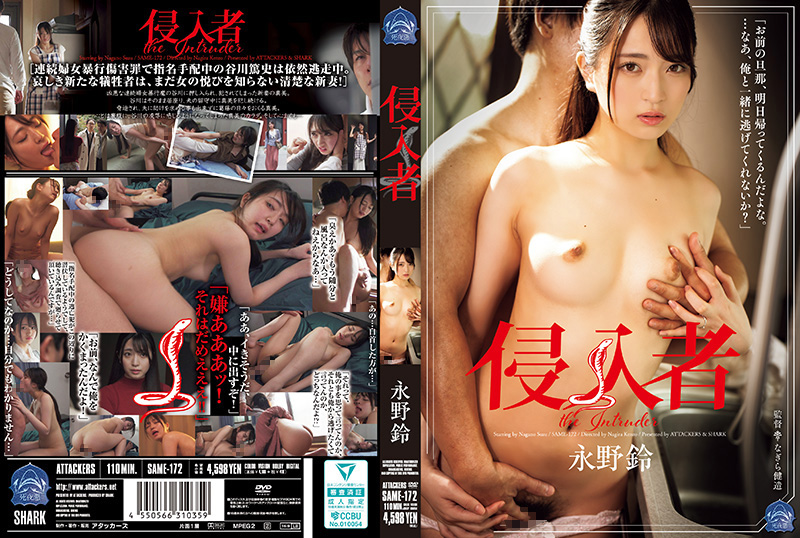
SAME172 强制侵入者 深夜突袭
高圆圆AI换脸续集:粉红丝袜性爱盛宴,丝足缠绕欲火焚身!
SPRO125 新宿伝説のマッサージ嬢2:今時の娘が当然のように裏オプションを提案!エッチすぎるサービスが満載!
健身房更衣室双重插入!两猛男前后夹击,女教练淫水四溅
国产AV果冻91特派员直击日本街头!拜金女1号肉体交易现场实录
[3D巨乳]无畏契约:薇蝾×钱博尔秘密偷情 后入狂操呻吟高潮!
3D小丑女哈莉奎茵高潮结局:大肉棒狂插中出内射!
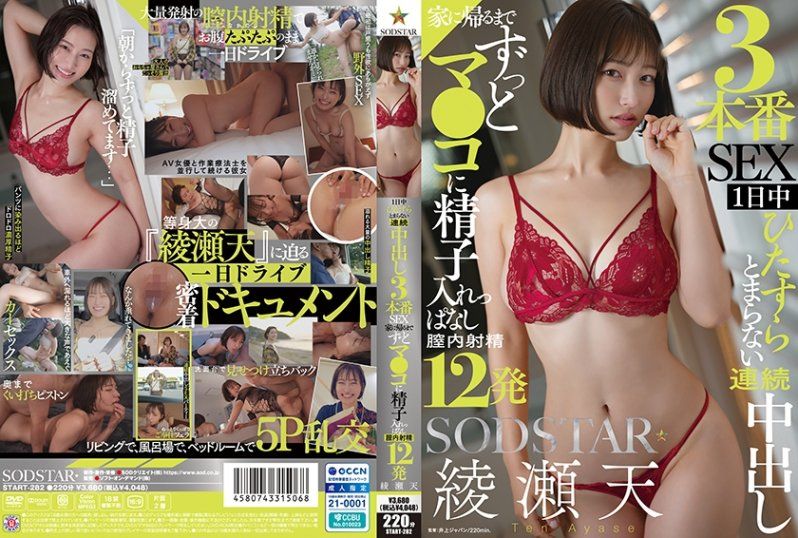
START-2821 连续中出三连发停不下来!回家路上小穴都被精液灌满一整天
波哥路边车震细腰翘乳女同事,口活吸硬肉棒车内疯狂抽插!
嫩表妹cos小女警 超紧小穴让人欲罢不能
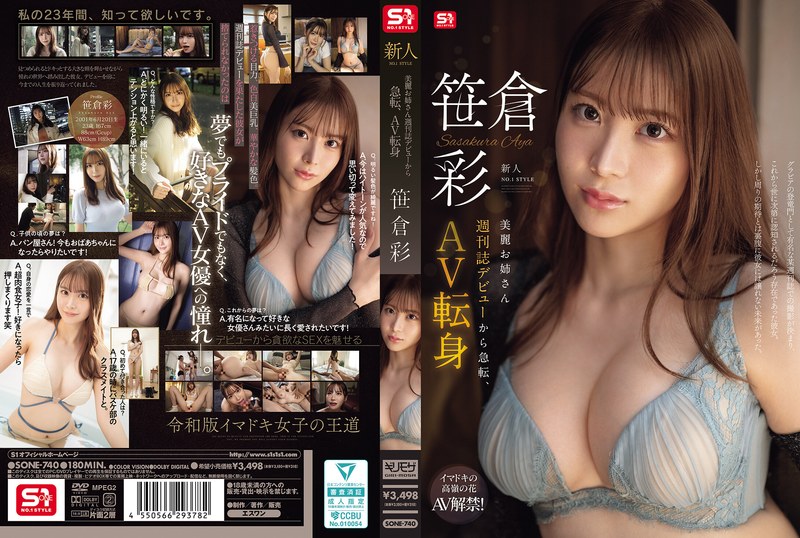
SONE-740 美艳姐姐杂志出道急转AV!顶尖新人火辣首秀
酒店私拍现场!国模米琳妖娆表情诱惑,粉嫩嫩穴暗示经验稀少
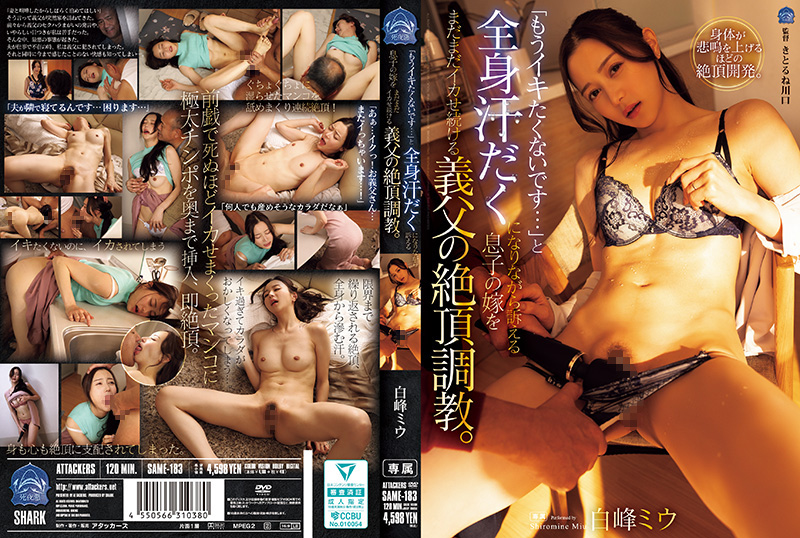
SAME183 儿媳汗流浃背哭求「不要高潮了」 公公却持续侵犯不停让她欲罢不能
冰冰儿广场舞热辣教学!蜜桃臀狂野扭动 美腿姐姐慢摇挑逗全记录
巨乳波霸苏小美性爱实录,淫水四溅高潮连连!
[无码]久违年会狂欢!新城南、泷川彩华、冬木真奈4痴女群P盛宴,轮流榨干猛男到虚脱!番号10musume-122922-01
[国产]果冻91特派员直击日本街头实录2:拜金浪女当街求包养,钞票砸脸张开腿任玩!
广场舞熟女骚姐冰冰儿自慰实录 跳湿小穴的震动棒高潮喷水
健康素人宝贝NoFaceGirl激情玩弄阴蒂,高潮喷发!
波霸蘇小美遭土豪撕裙後入猛幹
![[三级]芭蕾舞女演员的绝妙诱惑:舞动高潮的激情缠绵](https://la.lashayu.com/upload/vod/20250806-1/1914608e25a03dc32a8761babda9fb51.jpg)

![[无码]制服诱惑:高田明子初次电动按摩棒体验,觉醒高潮开关全开!番号10musume-120622-01](https://la.lashayu.com/upload/vod/20250806-1/b3c9f2290a843c857da87eadf6985fc2.jpg)


![[水果派真人解说]巨汗前辈千斤重压,甜妹汁水四溢激烈承欢](https://la.lashayu.com/upload/vod/20250806-1/76d4daf87c8a956d31806537b2c61b47.jpg)


![[反差婊档案]超嫩女M小母狗调教泄密:被玩到潮喷高潮不断!](https://la.lashayu.com/upload/vod/20250806-1/3ddbf1fc581de28de09bbe25f57c1ee4.jpg)








![[无码]名模樱木美央极致诱惑!1pondo-031823-001完整收录,极品美穴高清放送](https://la.lashayu.com/upload/vod/20250806-1/0f0e1fb19929cf95f88207f667bd380e.jpg)




![[3D巨乳]无畏契约:薇蝾×钱博尔秘密偷情 后入狂操呻吟高潮!](https://la.lashayu.com/upload/vod/20250806-1/88db3bb99b8d38e2ebbbce77272634b8.jpg)






![[无码]久违年会狂欢!新城南、泷川彩华、冬木真奈4痴女群P盛宴,轮流榨干猛男到虚脱!番号10musume-122922-01](https://la.lashayu.com/upload/vod/20250806-1/c223a2f439f6e59d3e205570dcb25eda.jpg)
![[国产]果冻91特派员直击日本街头实录2:拜金浪女当街求包养,钞票砸脸张开腿任玩!](https://la.lashayu.com/upload/vod/20250806-1/064dbae17e668a437376eb9044419031.jpg)